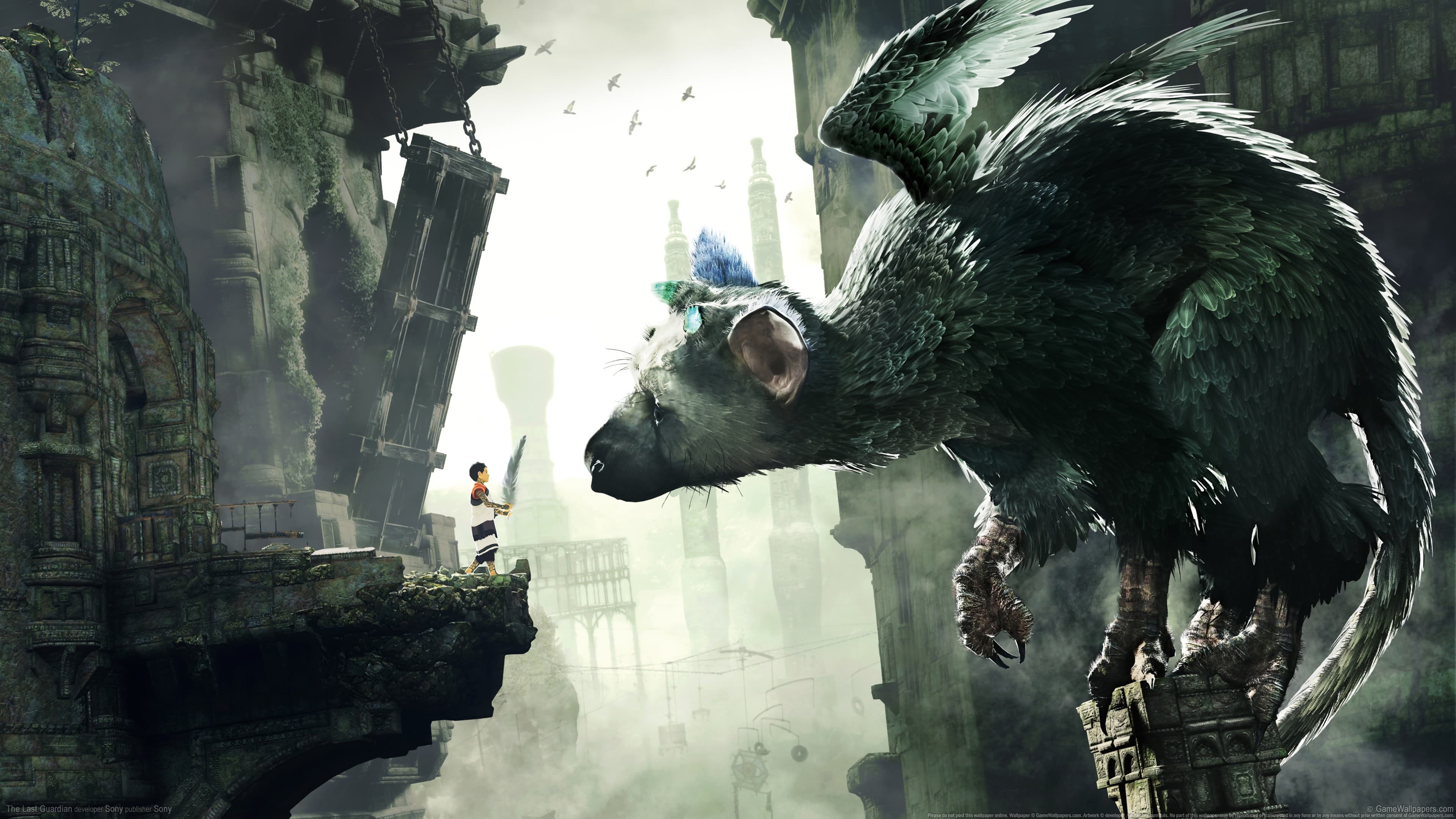
The Last Guardian follows a boy and an enormous creature named Trico through a crumbling ruin, building a relationship through care rather than command. Trico's AI creates unpredictable behavior that makes each interaction feel earned. GPA scores it at the top for Emotional Story — the highest in its genre category — with Dark World reflecting the melancholy that runs through the environmental design.
Game Characteristics
Emotional Story
95%
Story Depth
85%
Graphics
85%
Dystopian Setting
75%
Existential Themes
70%
Logic
70%
Dark
55%
High Difficulty
40%
Player profile fit
Recommended for: Beginner to Advanced players (A score of 50 or higher indicates a good fit.)
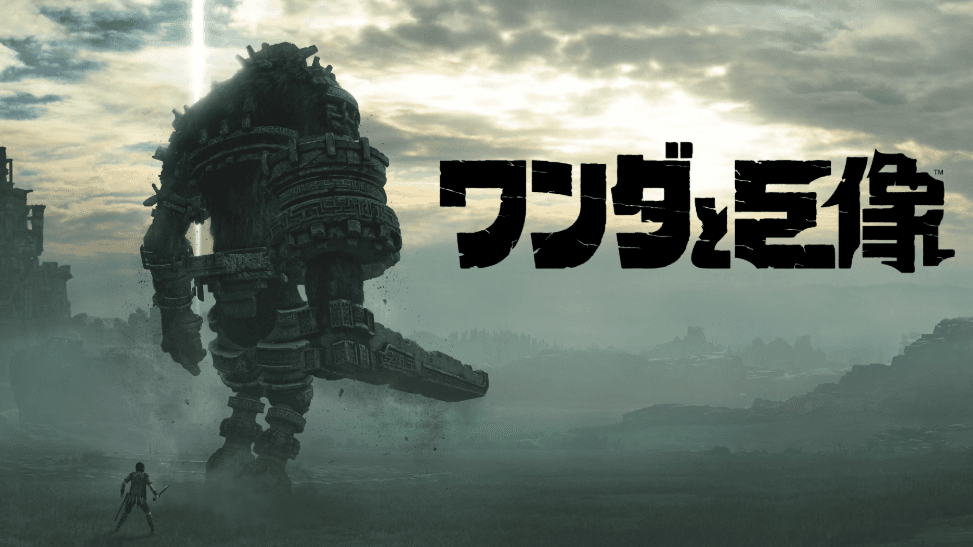
Shadow of the Colossus sends Wander across a forbidden land to destroy sixteen colossi — each one a boss fight and a traversal puzzle contained within a single living creature. No enemies exist between encounters, only the landscape and the horse. The 2018 Bluepoint remake rebuilt every asset from scratch while preserving Fumito Ueda's original geometry and pacing. GPA scores it at the top for Emotional Story — the highest among action games — alongside high marks for Existential Themes and Dark World, the three axes that define a game where the act of winning is also the tragedy.
Tag Similarity
Emotional Story
95%
Story Depth
70%
Graphics
85%
Dystopian Setting
75%
Existential Themes
80%
Logic
0%
Dark
65%
High Difficulty
0%
Chart tags: Emotional Story / Story Depth / Graphics / Dystopian Setting / Existential Themes / Logic / Dark / High Difficulty
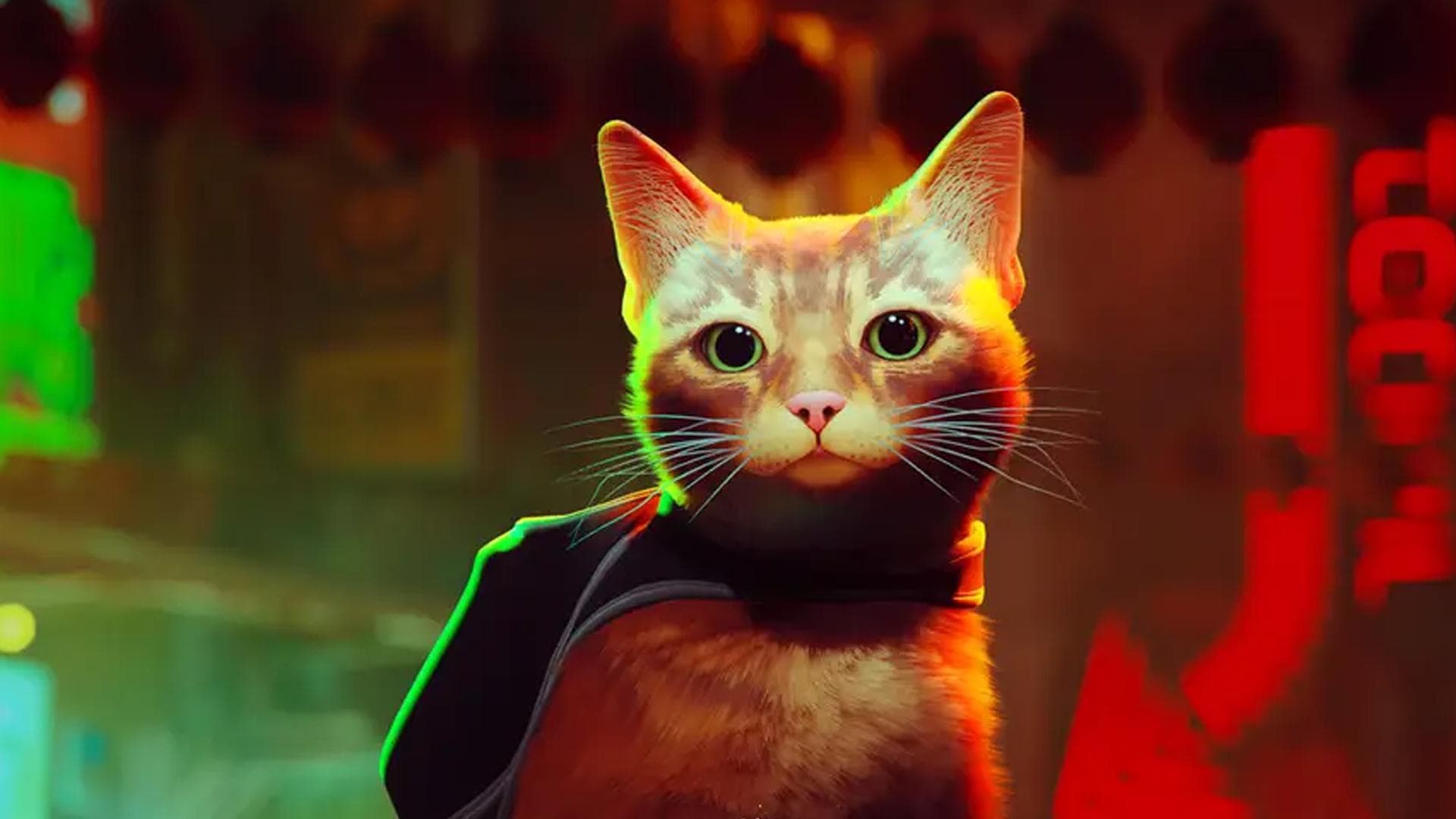
Stray follows a cat navigating a walled city beneath a dome, with no human population remaining. The movement system maps to feline behavior. GPA scores it high on Existential Themes and Dark World, with Emotional Story above average — a combination that describes a walking game built around atmosphere and a specific viewpoint.
Tag Similarity
Emotional Story
80%
Story Depth
75%
Graphics
90%
Dystopian Setting
85%
Existential Themes
65%
Logic
55%
Dark
60%
High Difficulty
0%
Chart tags: Emotional Story / Story Depth / Graphics / Dystopian Setting / Existential Themes / Logic / Dark / High Difficulty
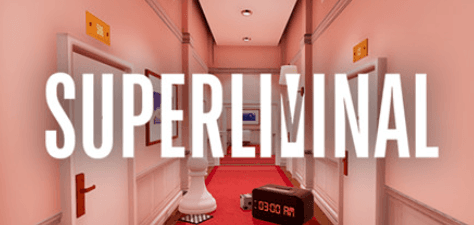
Superliminal builds its puzzle design around forced perspective — objects appear to resize based on viewing angle, and the game asks players to use this property to navigate. The space gradually becomes architecturally impossible. GPA scores it high on Puzzle and Existential Themes — the combination that identifies a game where the mechanics and the subject matter are the same thing.
Tag Similarity
Emotional Story
60%
Story Depth
65%
Graphics
70%
Dystopian Setting
75%
Existential Themes
80%
Logic
90%
Dark
0%
High Difficulty
0%
Chart tags: Emotional Story / Story Depth / Graphics / Dystopian Setting / Existential Themes / Logic / Dark / High Difficulty
A Plague Tale: Requiem continues Amicia and Hugo's escape across 14th-century France, with rat swarms used as environmental obstacles and threats. The sibling relationship drives the emotional weight. GPA scores it high on Emotional Story and Dark World — the combination that positions it as a story-driven action game rather than a survival horror title.
Tag Similarity
Emotional Story
90%
Story Depth
85%
Graphics
90%
Dystopian Setting
75%
Existential Themes
60%
Logic
30%
Dark
65%
High Difficulty
70%
Chart tags: Emotional Story / Story Depth / Graphics / Dystopian Setting / Existential Themes / Logic / Dark / High Difficulty
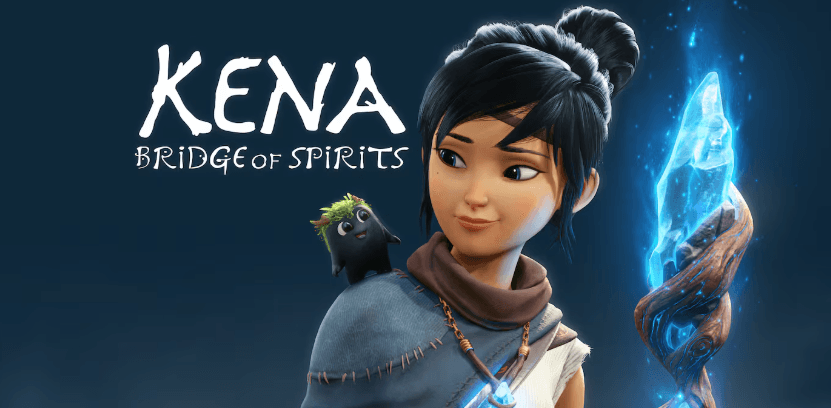
Kena: Bridge of Spirits sends a spirit guide through a village haunted by unresolved grief, clearing corruption to free the dead. The Rot companions add a resource management layer to the combat. GPA scores it high on Emotional Story and Graphics — the visual quality from a small studio remains the most discussed aspect of its reception.
Tag Similarity
Emotional Story
75%
Story Depth
75%
Graphics
90%
Dystopian Setting
40%
Existential Themes
55%
Logic
45%
Dark
40%
High Difficulty
60%
Chart tags: Emotional Story / Story Depth / Graphics / Dystopian Setting / Existential Themes / Logic / Dark / High Difficulty
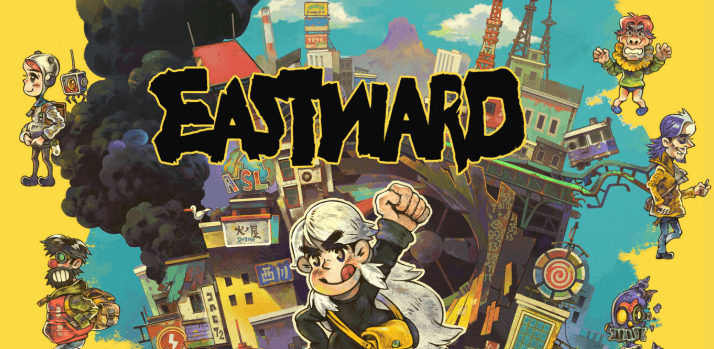
Eastward follows a father and daughter from an underground colony through hand-drawn pixel art environments. GPA scores it high on Emotional Story and Graphics.
Tag Similarity
Emotional Story
70%
Story Depth
70%
Graphics
80%
Dystopian Setting
70%
Existential Themes
0%
Logic
55%
Dark
50%
High Difficulty
0%
Chart tags: Emotional Story / Story Depth / Graphics / Dystopian Setting / Existential Themes / Logic / Dark / High Difficulty
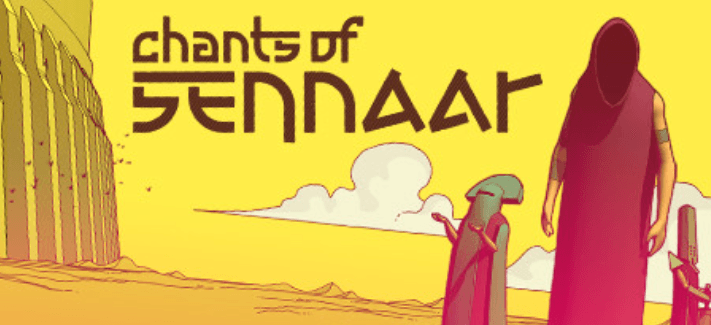
Chants of Sennaar tasks players with deciphering five constructed languages by observing context and testing hypotheses. Each language belongs to a different culture in a tower where communication has broken down. GPA scores it at the top for Puzzle and Existential Themes — the combination that correctly identifies decryption and philosophy as the twin engines of the experience.
Tag Similarity
Emotional Story
60%
Story Depth
70%
Graphics
60%
Dystopian Setting
50%
Existential Themes
60%
Logic
95%
Dark
45%
High Difficulty
40%
Chart tags: Emotional Story / Story Depth / Graphics / Dystopian Setting / Existential Themes / Logic / Dark / High Difficulty
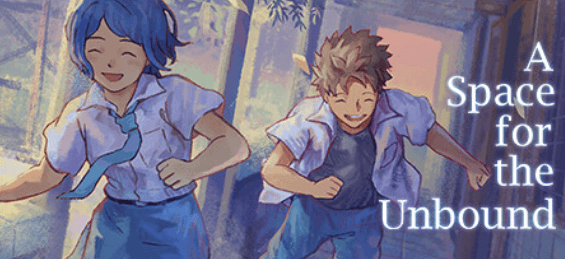
A Space for the Unbound sets its pixel art mystery in 1990s rural Indonesia, following Atma and Rara as their relationship encounters a supernatural threat. The tone holds grief and warmth simultaneously. GPA scores it high on Emotional Story and Text ADV — a combination that places it in the same cluster as Night in the Woods and similar character-driven adventures.
Tag Similarity
Emotional Story
90%
Story Depth
90%
Graphics
75%
Dystopian Setting
40%
Existential Themes
75%
Logic
30%
Dark
50%
High Difficulty
0%
Chart tags: Emotional Story / Story Depth / Graphics / Dystopian Setting / Existential Themes / Logic / Dark / High Difficulty
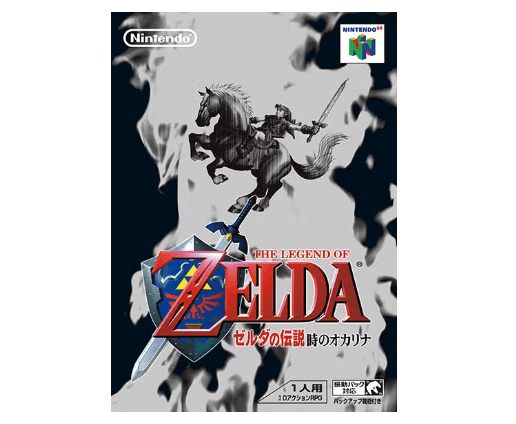
The Legend of Zelda: Ocarina of Time is playable through Nintendo Switch Online's Nintendo Classics catalog. The N64 title established 3D action-adventure design conventions that remain standard. GPA scores it high on Puzzle and Emotional Story — the combination that captures a game remembered for its dungeon design and narrative weight as much as its historical importance.
Tag Similarity
Emotional Story
80%
Story Depth
80%
Graphics
40%
Dystopian Setting
20%
Existential Themes
70%
Logic
80%
Dark
55%
High Difficulty
40%
Chart tags: Emotional Story / Story Depth / Graphics / Dystopian Setting / Existential Themes / Logic / Dark / High Difficulty
OneShot tells its player directly that they are the god of this world and Niko is their prophet. GPA scores it high on Existential Themes and Emotional Story.
Tag Similarity
Emotional Story
75%
Story Depth
70%
Graphics
50%
Dystopian Setting
65%
Existential Themes
80%
Logic
65%
Dark
0%
High Difficulty
0%
Chart tags: Emotional Story / Story Depth / Graphics / Dystopian Setting / Existential Themes / Logic / Dark / High Difficulty
Ctrl Alt Ego transfers player consciousness between gadgets and AI systems in an abandoned corporate facility. The possession mechanic and hacking system address the question of where the self resides. GPA scores it high on Existential Themes and Puzzle — the mechanics and the subject matter run on the same logic.
Tag Similarity
Emotional Story
65%
Story Depth
70%
Graphics
65%
Dystopian Setting
75%
Existential Themes
85%
Logic
85%
Dark
0%
High Difficulty
0%
Chart tags: Emotional Story / Story Depth / Graphics / Dystopian Setting / Existential Themes / Logic / Dark / High Difficulty
ENDER MAGNOLIA continues the Ender Lilies world decades later, sending Lilac the Attuner through the Land of Fumes to purify corrupted Homunculi. Built in Unreal Engine 5, expanding the map and combat variety of the predecessor. Switch, PS4/5, Xbox, PC, January 2025. GPA scores it high on Dark World and Emotional Story — the sequel that delivered on every expectation the first game built.
Tag Similarity
Emotional Story
76%
Story Depth
70%
Graphics
78%
Dystopian Setting
85%
Existential Themes
70%
Logic
0%
Dark
80%
High Difficulty
70%
Chart tags: Emotional Story / Story Depth / Graphics / Dystopian Setting / Existential Themes / Logic / Dark / High Difficulty
ENDER LILIES sets its Metroidvania in a rain-destroyed kingdom where Lily the White Priestess summons purified undead spirits as her combat set. The Mili soundtrack is one of the highest-rated in the genre. Switch, PS4, Xbox, PC. GPA scores it high on Dark World and Emotional Story — the Metroidvania where the melancholy atmosphere is the primary draw alongside the combat.
Tag Similarity
Emotional Story
75%
Story Depth
68%
Graphics
72%
Dystopian Setting
85%
Existential Themes
68%
Logic
0%
Dark
80%
High Difficulty
68%
Chart tags: Emotional Story / Story Depth / Graphics / Dystopian Setting / Existential Themes / Logic / Dark / High Difficulty
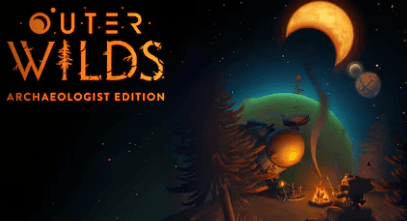
Outer Wilds gives players a solar system frozen in a 22-minute time loop and asks them to figure out what happened. No objectives are tracked. The entire mystery is assembled from observation and inference. GPA scores it at 90% for Existential Themes — second only to NieR:Automata — alongside high marks for Puzzle and Emotional Story.
Tag Similarity
Emotional Story
85%
Story Depth
90%
Graphics
70%
Dystopian Setting
0%
Existential Themes
90%
Logic
80%
Dark
50%
High Difficulty
0%
Chart tags: Emotional Story / Story Depth / Graphics / Dystopian Setting / Existential Themes / Logic / Dark / High Difficulty
SOMA places players in an underwater facility in 2104 and asks what consciousness means — whether a copied mind is the same person, and what death means if copies exist. Combat is minimal; the horror comes from what the story reveals. Frictional Games' follow-up to Amnesia. GPA scores it at the top for Existential Themes among horror games — the only entry where philosophy and survival horror share equal weight.
Tag Similarity
Emotional Story
85%
Story Depth
85%
Graphics
70%
Dystopian Setting
85%
Existential Themes
95%
Logic
0%
Dark
80%
High Difficulty
0%
Chart tags: Emotional Story / Story Depth / Graphics / Dystopian Setting / Existential Themes / Logic / Dark / High Difficulty
Myhouse.wad was released as a Doom II WAD file in 2023, presenting itself as a recreation of a dead friend's house that gradually reveals impossible geometry and psychological horror. GPA scores it high on Existential Themes and Horror — the highest-rated entry in the liminal space genre for emotional weight relative to technical presentation.
Tag Similarity
Emotional Story
85%
Story Depth
80%
Graphics
50%
Dystopian Setting
85%
Existential Themes
90%
Logic
70%
Dark
85%
High Difficulty
0%
Chart tags: Emotional Story / Story Depth / Graphics / Dystopian Setting / Existential Themes / Logic / Dark / High Difficulty
Katana ZERO kills in one hit — both the player and every enemy — with a timeline rewind that frames each level as a premonition. The neo-noir story of a drug-dependent assassin unfolds through dialogue choices that can be interrupted mid-sentence. Askiisoft, Devolver Digital. Switch, PC. GPA scores it high on Action and Emotional Story — the 3-hour action game where the narrative density matches the mechanical precision.
Tag Similarity
Emotional Story
75%
Story Depth
72%
Graphics
65%
Dystopian Setting
75%
Existential Themes
65%
Logic
0%
Dark
68%
High Difficulty
72%
Chart tags: Emotional Story / Story Depth / Graphics / Dystopian Setting / Existential Themes / Logic / Dark / High Difficulty
About "The Last Guardian"
▸Game Composition (GPA Analysis)
人喰いの大鷲トリコ leads with its Action-Adventure identity, anchored by the core feel of "The Last Guardian follows a boy and an enormous creature named Trico through a crumbling ruin, building a relationship…." The headline profile reads Emotional Story 95% / Story Depth 85% / Graphics 85%, making it a strong pick for fans of Emotional Story and Story Depth. Accessible enough for newcomers while offering enough depth to satisfy veterans.
▸Characteristics & Analysis
Our editorial team scored "人喰いの大鷲トリコ" by using its feel of solo-friendly, 上田文人作品, and ICO系譜 as the primary lens, weighting Emotional Story and Story Depth most heavily. Top similar titles include "ワンダと巨像(Shadow of the Colossus)", "Stray(ストレイ)", "Superliminal(スーパーリミナル)".
Review — The Last Guardian: building trust with a companion you can't fully control
Game Overview
The Last Guardian is an action-adventure game about a young boy and a giant creature named Trico as they explore a mysterious ancient ruin.
The boy encounters Trico after being brought to the ruins.
The two don't immediately trust each other.
The boy helps the injured creature, and the pair gradually begins to work together as they try to escape.
The most distinctive part of the game is the way you communicate with Trico.
He doesn't behave like a typical video game companion who instantly follows every command.
He looks around.
Gets distracted.
Stops moving.
Reacts to his surroundings.
Sometimes he does exactly what you need. Other times, he doesn't.
Instead of simply commanding Trico, the player has to observe him and figure out how to work with him.
PlayStation describes the game as an action adventure about a boy and a giant creature overcoming difficulties together and developing a bond along the way.
Gameplay Analysis
You Can't Fully Control Trico
The defining feature of The Last Guardian is also one of its most unusual design decisions: Trico doesn't always do what you want.
In most games, telling a companion to move somewhere produces an immediate and predictable response.
Trico doesn't work that way.
He might ignore you.
He might become interested in something else.
He might stop and refuse to move.
Sometimes he may even do something you didn't expect.
On paper, this sounds like a frustrating design choice.
In practice, it helps make Trico feel like a living creature rather than a traditional AI companion.
PlayStation's development feature explains that the team worked extensively on Trico's natural movements, including how he reacts to objects and changes direction based on his surroundings.
Communication Becomes the Puzzle
The puzzles in The Last Guardian aren't simply about finding switches or figuring out the correct sequence of actions.
A major part of solving them is figuring out how to get Trico to cooperate.
The boy can't reach certain places on his own.
Trico can.
But Trico doesn't automatically understand what the player wants.
So you start asking questions:
How can I get Trico to move there?
What will make him interested in that area?
Should I climb first?
Should I call him?
Do I need to change my position?
The puzzle becomes less about controlling a machine and more about understanding another creature.
That's reflected in GPA's 70% Logic score.
The game asks the player to read both the environment and Trico's behavior.
Sometimes Waiting Is Part of the Gameplay
There are moments when Trico simply doesn't respond immediately.
You call.
He doesn't move.
You try again.
Maybe you need to approach the situation differently.
In another game, this could easily feel like a problem with the controls.
Here, it also becomes part of the relationship.
The player watches Trico.
You begin to recognize what he's looking at and how he's behaving.
Over time, you learn how to work with him.
Fumito Ueda has described the moment when the boy finally gets Trico to understand something as one of the game's satisfying “eureka” moments.
The result is unusual: a moment that could have been interpreted as “the AI finally worked” instead feels like successful communication.
The Relationship Becomes the Story
The most important part of the relationship is that neither character completely trusts the other at first.
The boy is unsure of Trico.
Trico is unsure of the boy.
Their relationship develops through the things they do together.
Early in the game, the boy helps remove spears from Trico's injured body. That simple act establishes the foundation of their relationship.
Ueda has described the developing bond between the boy and Trico as a central theme of the game.
What makes it especially effective is that the relationship isn't confined to cutscenes.
You help Trico.
Trico helps you.
You learn how he behaves.
You figure out how to move forward together.
The player's actions become part of the relationship.
A Giant Creature and a Very Small Boy
The visual contrast between the two characters is also important.
The boy is small.
Trico is enormous.
That difference immediately communicates their roles.
The boy can climb Trico, use him as a platform, and reach places that would otherwise be inaccessible.
Trico can break through obstacles, reach high areas, and carry the boy across dangerous gaps.
They have completely different physical abilities.
The puzzles are built around those differences.
Progress isn't about making the boy powerful enough to do everything himself.
It's about figuring out what each character can do.
The Ruins Are Designed Around Cooperation
The enormous ruins that make up the game's setting aren't simply a backdrop.
Their vertical structures, narrow passages, broken platforms, and large open spaces are designed around the relationship between the boy and Trico.
Like Ueda's earlier games, The Last Guardian doesn't constantly tell the player exactly where to go.
Instead, you have to read the environment.
Look at the architecture.
Notice where Trico can reach.
Look for a possible route forward.
That makes exploration and puzzle solving closely connected.
What the GPA Scores Tell Us
The current GPA scores highlight several areas:
Title tendency chart (The Last Guardian)
Emotional Story ◀
95%
Story Depth ◀
85%
Graphics ◀
85%
Dystopian Setting
75%
Existential Themes
70%
Logic ◀
70%
Dark
55%
High Difficulty
40%
* Based on GPA sub-tag scores. Emotional story and communication-based puzzles are central.
The standout score is Emotional Story at 95%.
That makes sense because the emotional impact doesn't come only from the story itself.
The player actively builds the relationship with Trico through gameplay.
High Difficulty, meanwhile, sits at 40%.
The challenge isn't primarily about demanding combat mechanics or fast reflexes.
It's more about observing the environment, understanding Trico's behavior, and figuring out how the two characters can work together.
In that sense, The Last Guardian is better understood as an emotional puzzle adventure than as a high-difficulty action game.
Author's Thoughts
What I find most interesting about The Last Guardian is that some of its apparent weaknesses become part of its identity.
Trico doesn't always do what you want.
That can be frustrating.
But after spending enough time with him, you begin to understand his behavior.
You start thinking:
“He's looking over there.”
“He doesn't want to go this way.”
“Maybe he'll jump if I move over there.”
You aren't simply learning the controls.
You're learning the creature.
And when Trico finally understands what you're trying to do, the satisfaction feels different from solving a normal puzzle.
It feels like you've successfully communicated with someone you've been traveling with.
That's what makes The Last Guardian special.
The relationship between the boy and Trico isn't just the subject of the story.
It's the gameplay.
Conclusion
The Last Guardian is an action-adventure game about a boy and a giant creature working together to escape a mysterious ruin.
Its defining idea is simple but unusual: you can't completely control your companion.
Instead, you have to understand him.
That idea affects the puzzles, exploration, movement, and ultimately the emotional connection between the two characters.
Trico's imperfect behavior makes him feel less like a conventional game mechanic and more like a creature with his own instincts.
The GPA scores reflect that focus, particularly the 95% Emotional Story score, along with strong ratings for Story Depth, Graphics, Existential Themes, and Logic.
Rather than controlling your companion, you learn how to understand him.